
Curiosities about Pilates

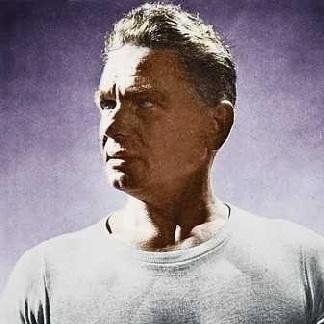
Joseph Hubertus Pilates

Who is Joseph Hubert Pilates?

Joseph Hubertus Pilates was born in 1880 in Germany.

Worried about the possibility of contracting tuberculosis, he devoted himself to bodybuilding, so much so that at the age of 14 he was asked to pose for the creation of anatomical maps of the human body.

When the First World War broke out, Pilates was interned for a year in Lancaster along with other compatriots. During this time, he organized his own training and that of his fellow prisoners.

He had reason to boast when in 1918 an influenza epidemic killed thousands of Englishmen, but none of those who underwent his physical training contracted the killer flu.

JH Pilates was later transferred to the Isle of Man, where he found a completely different reality from the one he had previously experienced in Lancaster: soldiers returning from battle crippled by wounds, bedridden by illness, and immobilized for long periods. He therefore decided to set about building machines that could help rehabilitate these people.


Subsequently, the Pilates method entered the world of dance, establishing a relationship that has lasted to this day; this explains why, wrongly, the technique has often been associated solely with the world of dance.

In 1925 Pilates decided it was time to leave for the United States of America.

During the journey he met a young nurse named Clara who later became his wife.

Once in New York, Pilates opened a studio and codified his technique, writing a book called Contrology, the original name he himself coined for his method.


The work, however, was not limited to the codification of the exercises but extended to the improvement of the particular equipment (still in use today), which he had had the opportunity to design during his imprisonment in England.

He died around the 1960s.

Why choose Pilates?
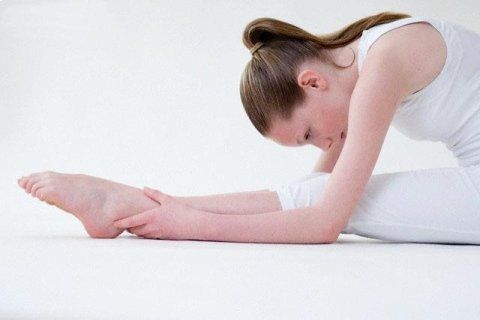
  • Pilates, a cure-all for back pain!

    Yes, times have changed! Doctors once recommended swimming alone for back pain. Today, recent scientific studies have demonstrated the importance of combining swimming with other postural disciplines, especially the Pilates method. The current trend, therefore, is to encourage patients to take a Pilates class, perhaps specifically designed for those suffering from this serious condition, which is increasingly affecting Western populations. The Pilates method offers a wide range of exercises, both free-body and with the aid of equipment and large machines, specifically designed to prevent and treat back pain. The Pilates instructor's role is to teach the student the movements that, in addition to the standard work done during the studio session, should be practiced at home.

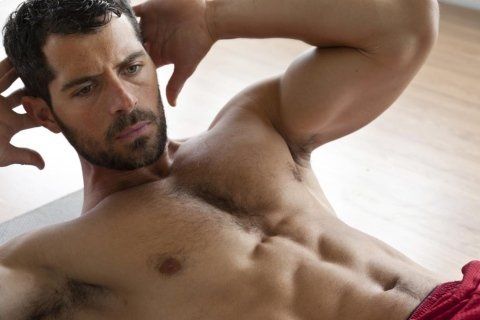
  • Pilates is great for men!

    Pilates helps you build agile, well-defined muscles: no more bulk and muscle hypertrophy, which, incidentally, women dislike. The Pilates method is ideal for sculpting your abs, improving joint mobility, and achieving a beautiful, lean physique with perfect pectorals, glutes, and biceps. Try it and believe it.

  • A great activity for golf

    In 2010, Studio Linee was one of the sponsors of the "Maremma Tuscany Golf Trophy" golf competition at the prestigious Turin Golf Club. Did you know that Pilates is an excellent training program for golf? Pilates for golf is versatile and effective like few others: it provides the body with strength, flexibility, and dynamism, essential for the player who wants to improve their performance and significantly reduce the incidence of contractures and back pain. Golf is a rapidly growing sport worldwide: staying fit and preventing injuries has become as important as club selection or choice of clubs, regardless of the player's age or gender. As Tiger Woods himself has stated, a player's most important piece of equipment is their body, and as such, it must be properly prepared: recent studies have shown that most golf injuries are caused by poor coordination, lack of flexibility, and generally poor physical condition.

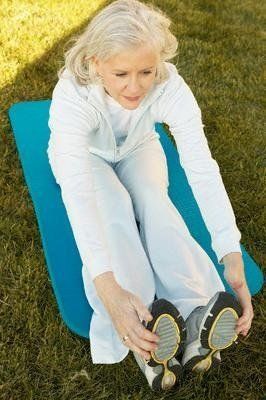
  • Osteoporosis and Pilates

    Osteoporosis is a chronic demineralizing disease of the skeleton, characterized by a reduction in bone mass and alterations in the microarchitecture of bone tissue, resulting in fragility and a risk of fractures, even from minor trauma. Studio Pilates exercises, using large equipment and springs, help combat osteoporosis by enhancing the activity of osteoblasts, the cells responsible for building bone. To this end, it is necessary to create mechanical, dynamic, and specific stimulation for the various skeletal areas to be treated, with a well-defined program. It is necessary to strengthen the proximal femur by performing exercises that target the hip: strengthening it with movements that involve the gluteus maximus (for the greater trochanter), or the iliopsoas (for the lesser trochanter), the adductors, and the hip extensors. It is also necessary to strengthen the lumbar vertebrae with resisted and counter-gravity extension exercises of the spine, and to strengthen the wrists, which are very delicate, by performing upper limb movements. For the bones to have a positive adaptive response, a specific loading regimen is required, which is why the use of springs, as used in Pilates, is ideal: they allow for wide, contrasting movements, which is highly beneficial since the forces acting on the bones must vary in direction and intensity compared to normal ones. Bone mineralization is therefore proportional to the frequency of the mechanical stimulus. For all these reasons and many others, such as knowledge of contraindicated movements, it is obviously very important that physical exercise be performed under the supervision of a teacher, preferably a graduate and certified, in a specialized center.

Want more curiosities? Contact us!

Send a message